
By Christian Lawrence, Head of Americas & Energy Market Strategy, Rabobank
Volatility used to be something CFOs planned for. Today, it is something they must operate through continuously.
Traditional financial planning assumed that volatility would arrive in episodes: a shock, a response, a period of stabilization and, eventually, a return to plan. That model is under pressure. Shocks are arriving faster, their effects are lasting longer, and the connections among currencies, interest rates, energy, trade and geopolitics are becoming more consequential.
Data source: Rabobank
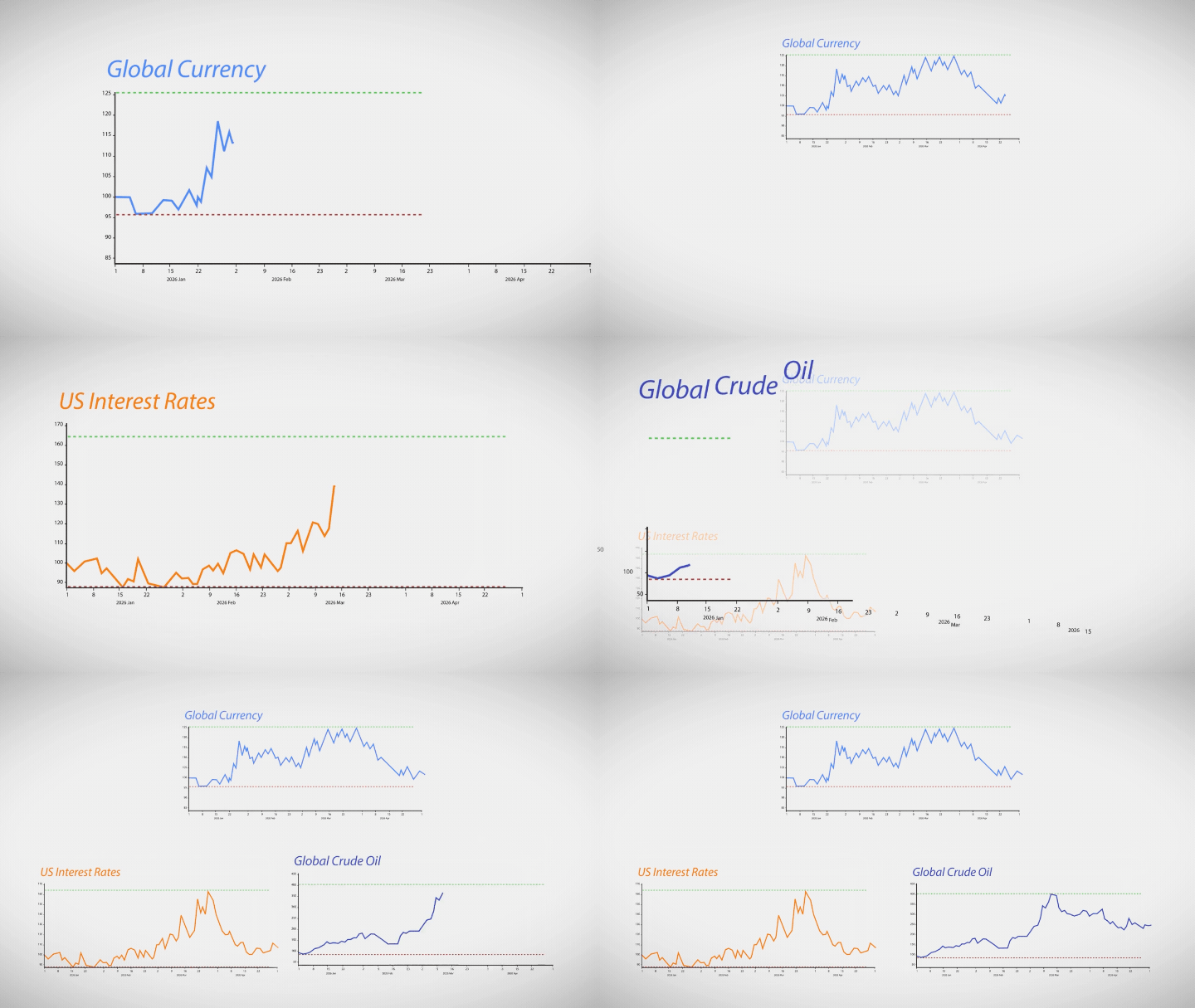
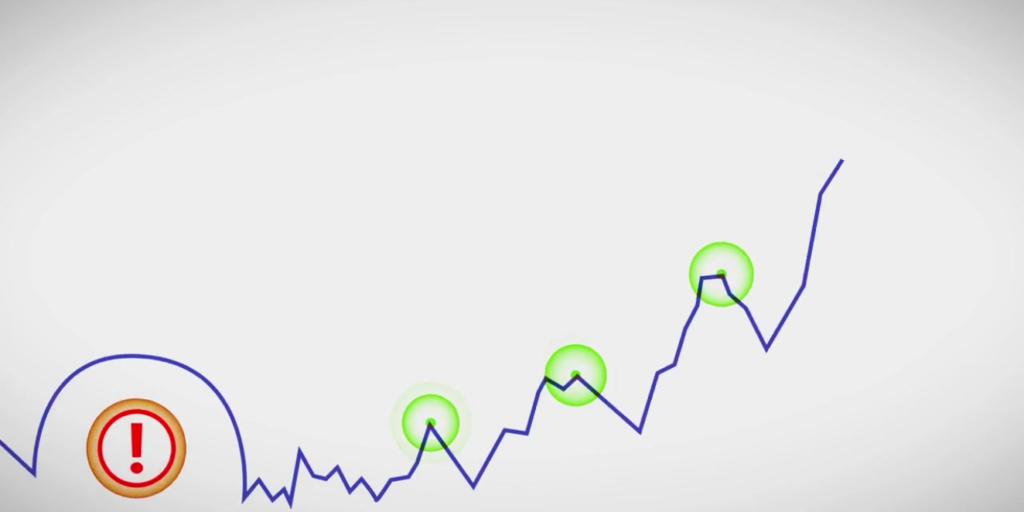
Volatility is increasing in both frequency and intensity.
The result is not simply more risk. It is less time to interpret that risk before it reaches the income statement or balance sheet.
From a cross-asset perspective, volatility rarely remains confined to one market. An energy shock can alter inflation expectations. Inflation can reprice the interest-rate outlook. Rates can move currencies and funding costs. Currency movements can compress margins, change competitive dynamics and require a new conversation about pricing, hedging or capital allocation.
For CFOs, what begins as a market event can quickly become an operating decision.
When the planning window narrows
In a more predictable environment, finance leaders have time to observe, assess and adjust. But when volatility itself becomes more volatile, the window for action contracts. A forecast that appeared prudent on Monday can feel stale by Friday.
A hedge may become misaligned as currencies and rates reprice. A procurement assumption can break when energy or transportation costs move sharply. A liquidity plan can be tested when geopolitical developments affect suppliers, customer behavior or access to markets.
The important question, therefore, is no longer whether volatility will occur. It is whether the organization can translate changing market conditions into action quickly enough.
This volatility requires the CFO’s role to evolve from financial stewardship to serving as a part-time Chief Risk Officer. McKinsey’s recent CFO research captures the shift clearly. Finance leaders are increasingly focused on geopolitical risk, liquidity buffers, scenario planning, and real-time intelligence. Notably, 22% of surveyed CFOs said real-time intelligence and risk monitoring would increase their confidence in navigating uncertainty. It means bringing a risk leader’s reflexes to the finance function:
· Where are exposures accumulating?
· Which assumptions are most vulnerable?
· What happens if rates remain higher than anticipated?
· What if the dollar strengthens while input costs rise?
· Which decisions must be prepared today, even if they are not executed until tomorrow?
These questions cannot be answered effectively through isolated views of foreign exchange, rates, commodities or credit. CFOs need a connected perspective because markets and businesses are connected.
From information to decision-ready insight
CFOs do not need more data for their own sake. They need sharper signals linked to specific decisions. At RaboResearch, we examine how developments across markets interact: how energy prices influence inflation, how monetary policy affects currencies and credit conditions, and how geopolitical change reaches the real economy. Rabobank combines that macro perspective with deep sector knowledge, helping clients consider what market movements could mean for financing, liquidity, hedging, procurement, working capital and growth.
RaboResearch brings together more than 140 analysts across five continents, covering global financial markets, food and agribusiness, economics, sustainability and energy transition. That breadth matters because volatility rarely arrives in neat categories.
In my own work, I focus on macro-market forecasting, particularly the relationships among currencies, interest rates and energy markets. The objective is not to predict every shock. No strategist or CFO can do that consistently. The objective is to identify the transmission channels, challenge assumptions and create a framework for action before the decision window closes.
Volatility can create advantages
Too often, volatility is treated only as something to defend against. But for prepared companies, it can also create opportunities.
When competitors hesitate, a well-informed business may be able to reprice faster, protect liquidity, secure supply, adjust hedges or invest with greater conviction. The advantage does not come from taking more risks. It comes from understanding risk better and being ready to act when others are still assessing what has changed.
That is the new definition of financial stability. CFOs must steer through these decision windows in real time.
Stability no longer means waiting for calm conditions to return. It means building the capability to keep steering when they do not. It means knowing which exposures matter, which levers can be pulled quickly, and which decisions should be made before disruption becomes loss.
The CFO’s opportunity is to turn volatility from a recurring disruption into a management system: monitor the signals, understand the exposures, prepare the scenarios and act before the market forces the decision.
Because in this market, volatility spikes are not historical artifacts. They are decision windows.
The directive for today’s CFO is clear: do not wait for volatility to pass. Navigate through it.
The CFOs with access to timely insights don’t just reduce risk; they create freedom for the organization to focus on growth.
Data source: Rabobank
By Christian Lawrence, Head of Americas & Energy Market Strategy, Rabobank