
Will changes in Brazil’s ethanol production alter global sugar markets?
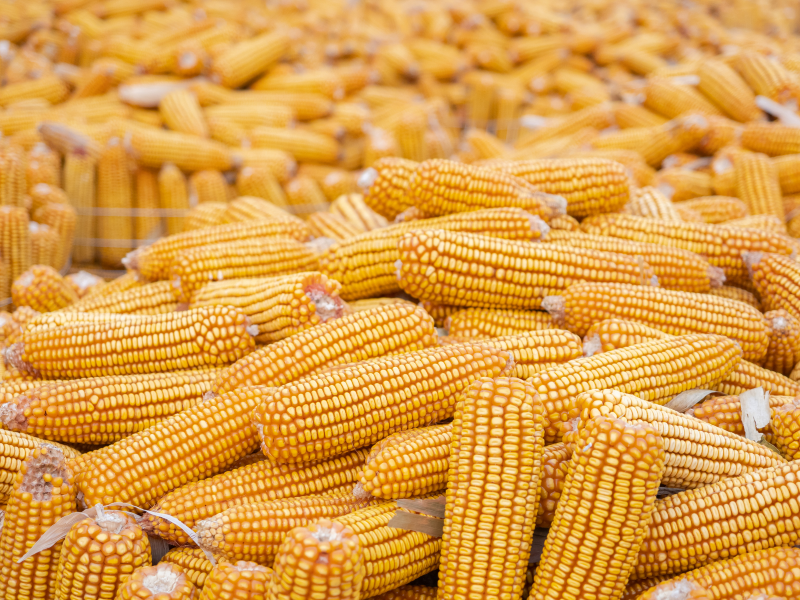
Corn ethanol production has grown rapidly in Brazil over the past decade, from barely anything to nearly 10bn liters via the processing of roughly 23m metric tons of corn into ethanol.
The renewable fuel is made through fermentation of sugars from crops, most often corn and is often used as an additive in gasoline to create a higher octane fuel. In Brazil, two types of ethanol production facilities are in use to ferment ethanol—the “full ethanol plant” or traditional standalone industrial ethanol production facility and the “flex ethanol plant” an ethanol production facility annexed to an existing sugar cane mill.
Investment in additional ethanol production capacity is expected to continue in Brazil. In fact, to date the business model for ethanol production has proven to be robust. The ethanol producer facilities are well-located in areas where corn is abundant and tend to be large enough to take advantage of economies of scale. In addition, the coproducts of ethanol production contribute significantly to ethanol industry revenue and local governments have also contributed incentives for the facilities.
On the demand side, additional ethanol consumption may emerge in several ways. Brazil could raise the mandatory ethanol blend level in gasoline, or it could come through a step change in Brazil’s ethanol consumption resulting from fuel tax reform to support alternative fuels. Current fuel tax structures don’t strongly incentivize ethanol use, which is therefore lower than might be expected given the number of flexible-fuel vehicles are already on the road in Brazil.
Rising local and global interest in renewable fuels for aviation and maritime transport would contribute to increased demand as well. But much of these potential demand shifts are a longer-term (2029-2030) prospect, and with the ramp-up in corn ethanol capacity in Brazil set to be rapid, it may be hard for demand to grow at the same pace in the short to medium term.
This threat of imbalance in the ethanol market in Brazil creates a yellow alert for the sugar industry, in Brazil and beyond. An oversupply of ethanol would put prices under pressure, which could feed through to increased sugar output as Brazil´s mills arbitrage margins on the two products taking sugar and ethanol prices to parity with one another. That scenario may be already priced into expectations that Brazil´s next (2026/27) sugar cane crop will be a large one.
There are many reasons why a sugar price event in response to ethanol markets may not be repeated in subsequent years despite the growth in ethanol supply in Brazil – for example, weather events could adversely impact global sugar production, or an upturn in oil and gasoline prices could provide support for ethanol prices. Nevertheless, it merits attention outside the ethanol market in Brazil– because any major change in Brazil´s ethanol market could have repercussions for the sugar market around the world.
Report Author
Andy Duff
Regional Head of Research, Food & AgriBusiness, South America
Disclaimer
All information provided by Rabobank on or via this website or websites (including via links to third party websites) are wholly indicative, for discussion purposes only and does not represent an offer, investment advice or any kind of financial service. Rabobank is a trade name of Cooperatieve Rabobank U.A. Rabobank is registered by the Chamber of Commerce under number 30046259. Although Rabobank has obtained the information provided from sources that should be considered reliable, it cannot guarantee its accuracy or completeness. The information provided is purely of an indicative nature and is subject to change without notice at any time. The information provided does not confer any rights. Rabobank cannot guarantee that the website does not contain errors or that it will remain accessible without interruption. To the extent permitted by law, neither Rabobank nor any other provider of information accepts any liability howsoever arising from the contents of this website or websites, for any information provided on or via them or for the consequences of any actions taken in reliance on this website or websites. Rabobank accost to liability whatsoever for the content of websites that it does not maintain itself and to which it provides links from its own websites or from which links are provided to its own websites. The person retrieving information is responsible for its selection and all aspects of its use. The information may only be used by the person retrieving it. The person retrieving g the information may not transfer, duplicate, process or distribute it.* The person retrieving the information is obliged to follow all instructions from Rabobank concerning its use. No part of the content of this website may be copied. All copyrights, including those within the meaning of Section 15 of the Copyright Act are reserved.* Dutch law shall apply.
*) The title and first sentences of an article may be copied without permission provided that “Rabobank” is clearly stated as the source and, in the case of an online medium, there is a link to the publication.